Category: Articles on Food Yoga

Food Yoga and Jiva Mukti Yoga Retreat in Colombia

Food Yoga and Jiva Mukti Yoga Retreat in Colombia

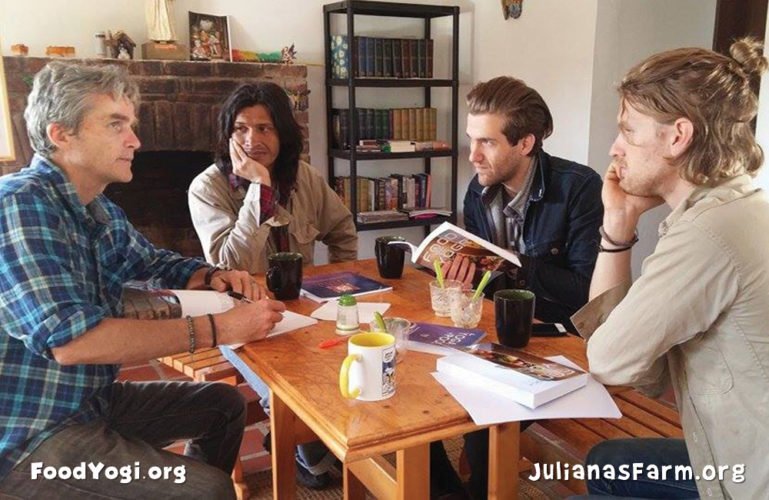
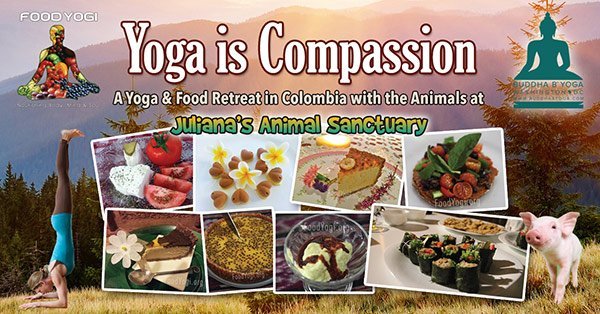
Go on the retreat of a lifetime. Practice Jivamukti TM Yoga with certified teacher and co-founder of the Buddha B TM Yoga Center Valerie Grange, learn about making compassionate food choices and Food Yoga from Paul Rodney Turner the Food Yogi, and meet all of the amazing animals on Juliana’s Animal Sanctuary in the majestic Andes Mountains of Columbia.

valerieyoga

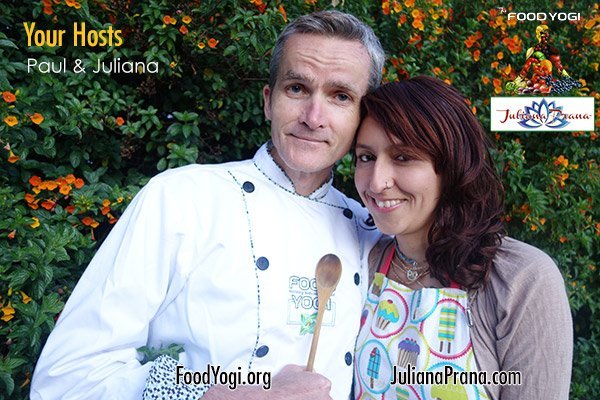
Paul is a food yogi and Juliana is a healer

Dates: Arrival/Check-In: Sunday, October 25th, 2015 Departure/Check-Out: Sunday, November 1st, 2015

Price: $995+tax/Person
This one week escape will include:
  • Transportation to and from the Bogota International airport to hotel in Chia.
  • All Accommodations (double occupancy) in Chia, including last night in Bogota before departure.
  • 3 Meals A Day + Snacks (during food workshops & demos).
  • Daily, 2-hour Jivamukti All-level (OPEN) Yoga classes with Valerie Grange.
  • Daily Food Workshops and Food Demos with tastings on ‘How to Become a Food Yogi’ with Paul Rodney Turner.
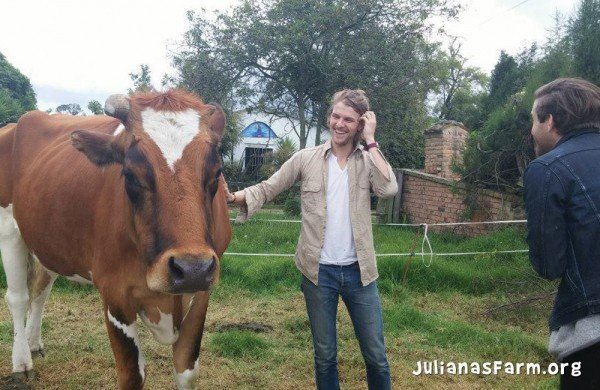
  • Meeting and Greeting sanctuary founder Juliana Castaneda and sanctuary director Ekala and all of the rescued animals on Juliana’s Animal Sanctuary including dogs, cats, rabbits, Gita the cow, Balaram the bull also known as “gentle giant”, Pola the “freedom-fighting pig” and Perla their new little piglet.
  • Option to Volunteer on the Sanctuary and help the animals.

FoodYoga-Academy200Spaces are limited to only 12 registrations, so Sign-up today!

NOT INCLUDED:
  • Flights Travel Insurance (flight/transportation/luggage/medical)
  • Passport Visas (if required)
  • Pre-Arrival/Departure transportation
  • Alcoholic Beverages
  • Tips/Gratuities

BOOK NOW


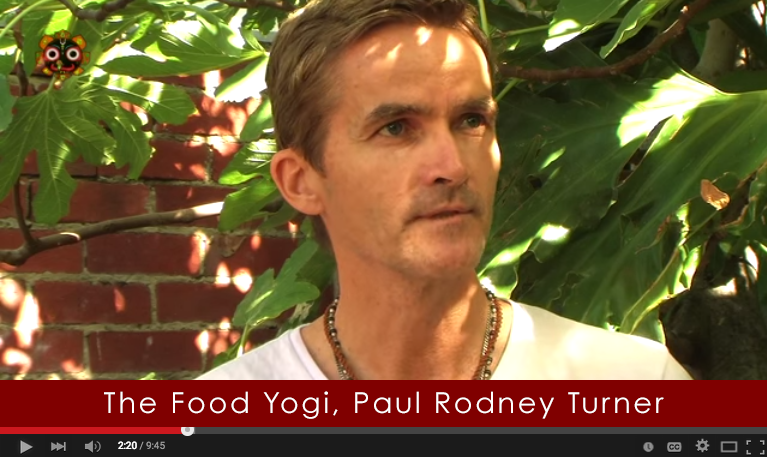
Food Yogi Interviewed on Sacred Space TV – Part 1

Food Yogi Interviewed on Sacred Space TV – Part 1

Overview of the Interview

This is part 1 of 4 parts of an interview I gave in Australia at the Melbourne Hare Krishna temple. Forgive the background noises, especially the occasional plane and coughing and kirtan, I did not realize at the time and boy I wish I had. There is one thing I misspoke in part 4. Correction: Male calves from the dairy industry are fed a LOW-iron diet to make them anemic and their flesh light color. However, on the video, I said, “High-iron diet.” oops.

In this segment, I delve into the importance of sacred spaces and how they influence our connection to food. Sacred spaces, whether physical or mental, can enhance mindfulness and deepen our appreciation for nourishment. By creating an environment that fosters spirituality, we can transform our eating habits into more than just sustenance; they become a holistic experience that nurtures the body and soul.

Throughout the interview, I highlight the significance of community and shared meals. Eating together fosters connection and strengthens bonds, enhancing our spiritual journeys. Consider organizing communal meals or potlucks where everyone contributes a dish. This practice not only enriches the culinary experience but also cultivates a sense of belonging and unity among participants.

Understanding the dairy industry’s practices is crucial for informed choices. Male calves face harsh treatment, often leading to health issues due to low-iron diets. By raising awareness about these conditions, we can encourage more ethical treatment of animals and advocate for better practices in food production. Engaging in discussions about these topics is essential for promoting change.

Frequently Asked Questions

What is the focus of the interview?

The interview explores spirituality and food, highlighting their interconnectedness. It emphasizes how sacred spaces enhance our relationship with nourishment.

Why is understanding dairy practices important?

Understanding dairy practices is vital for ethical consumption. It raises awareness about animal welfare and encourages more humane treatment in food production.

How can I create a sacred eating space?

To create a sacred eating space, focus on mindfulness and intention. Use calming elements like candles, music, or meaningful decor to enhance the experience.

Q: What themes are covered in the interview?

A: The interview addresses themes of spirituality and food, emphasizing their interconnectedness. It highlights the significance of sacred spaces in enhancing our relationship with nourishment.

Q: Why should I care about dairy industry practices?

A: Understanding dairy industry practices is crucial for ethical consumption. It raises awareness of animal welfare issues and encourages consumers to demand more humane treatment in food production.

Q: What elements contribute to a sacred eating experience?

A: To create a sacred eating experience, focus on mindfulness and intention. Incorporating calming elements like candles, soothing music, or meaningful decor can significantly enhance the overall atmosphere.

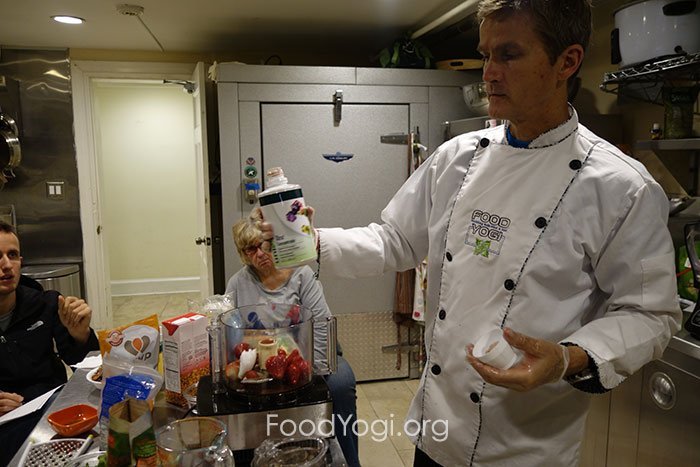
Food Yogi presenting at the World Vegan Summit in LA

Food Yogi presenting at the World Vegan Summit in LA

rawicecreamBALI

The World Vegan Summit is rapidly establishing itself as the premier event in the USA, bringing together influential vegan activists, chefs, writers, athletes, and celebrities. This gathering aims to raise awareness and educate the public on the health, environmental, and spiritual advantages of adopting a vegan diet.

I have been invited to talk on Food Yoga and demonstrate some raw vegan snacks and will be presenting on Sunday, March 22 at 12-1pm in the Sinder Lounge.

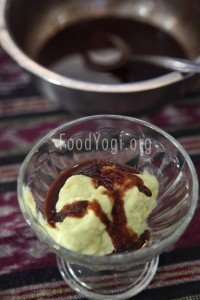
Come and join me, get a signed copy of my book and enjoy some raw vegan chocolate mint ice cream and vegan brownies!

When: Friday March 20 – Sunday March 22, 2015

Venue: Marina del Rey Marriott • 4100 Admiralty Way, Marina del Rey, CA 90292

WorldVeganSummitLOGO

It is essential to address pressing global issues such as climate change, animal welfare, and food insecurity. The attendees of the World Vegan Summit are committed to advocating for a compassionate and sustainable future, aiming to eliminate the use of animals for food, clothing, and entertainment. This summit serves as a pivotal platform for fostering dialogue and collaboration on these critical topics.

Learn more at worldvegansummit.com

The summit will not only feature presentations but also interactive workshops where participants can learn practical vegan cooking techniques, nutrition tips, and sustainable living practices. Engaging with experienced speakers and fellow attendees will inspire a deeper commitment to a vegan lifestyle and foster community connections.

Frequently Asked Questions

Q: What will be discussed at the summit?

A: The summit will cover various topics, including health, environmental impact, and spiritual benefits of veganism. Attendees can expect expert presentations, workshops, and discussions that promote awareness and advocacy for a vegan lifestyle.

Q: How can I participate in the Food Yoga demonstration?

A: You can participate by attending my presentation on Food Yoga on Sunday, March 22, from 12-1pm in the Sinder Lounge. This interactive session will include demonstrations of raw vegan snacks, and opportunities to engage with the content.

Q: What activities are planned for the summit?

A: The summit will feature a range of activities including speakers, workshops, music, and food tastings. Participants can enjoy networking opportunities and learn about the benefits and practices of a vegan lifestyle.

Foster the People receive FOOD YOGA and a vegan lunch

Foster the People receive FOOD YOGA and a vegan lunch

Mark Pontius and Phil Danyew from Foster the People are in Colombia to perform at the famous Festival Estereo Picnic along with other big names like Jack White and Damian Marley. Mark and Phil dropped by Juliana’s Animal Sanctuary to meet with the rescued animals and enjoy a vegan lunch.

I made a Quinoa vegetable curry, baked potatoes, cauliflower buffalo wings with hot sauce, and delicious mango, spinach, avocado salad. The boys relished the lunch as we talked about the work of Food for Life and Juliana’s Sanctuary. They were interested to learn about my experience as a monk and what it means to be a food yogi. Mark and Phil shared their musical journey and how they go to where they are now and then walked around the farm to meet all the animals here. Mark and Phil were amazed at how big Balarama, our resident ox is and yet also how peaceful and gentle he is.

Mark-Phil-FosterthePeople-Visit-e

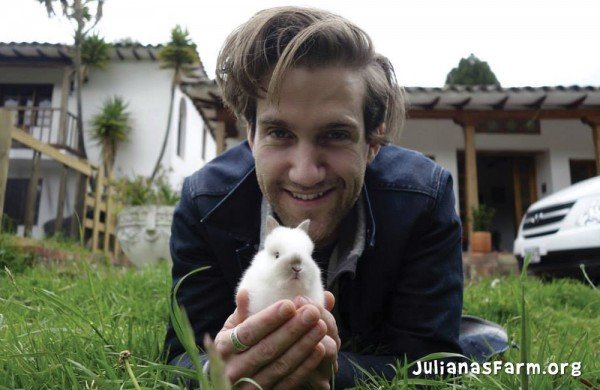
They both fed the horse and the cow and ox and then we visited all the dogs who loved the new visitors. A highlight of their visit was the new bunny. They both melted to see such a lovely and cute little animal snuggle up to them. Phil was particularly taken by the bunny and we got some great photos of him with the bunny. Mark and Phil then made a short endorsement video for the sanctuary, encouraging people to visit and support the project. We are so appreciative of this.

Mark-Phil-FosterthePeople-Visit-j

Foster the People at Festival Estereo Picnic

Next, we went inside and enjoyed a vegan tiramisu made by my wife, Juliana. Mark and Phil invited me, Juliana and her sister, Dana to their concert tomorrow, so we look forward to seeing them again. I then presented Mark and Phil with copies of my books, Food Yoga, and The 5 Noble Truths.

Mark is a new vegan and has been interested in animal welfare and meditation for a long time. He was genuinely touched by the charity work, my wife and I are doing and look forward to visiting again.

The visit to Juliana’s Animal Sanctuary provided an opportunity for Mark and Phil to learn about the importance of veganism in promoting animal welfare. Engaging with rescued animals highlights the impact of compassionate choices and fosters a deeper connection to the environment. This experience serves as a reminder that awareness can lead to positive change both personally and socially.

Food Yoga emphasizes mindfulness in eating, encouraging individuals to appreciate the flavors and textures of plant-based meals. This practice can enhance one’s relationship with food, promoting healthier choices and a more sustainable lifestyle. Integrating simple techniques, like breathing exercises before meals, can further deepen this connection and cultivate gratitude for our nourishment.

Juliana’s Animal Sanctuary not only provides a safe haven for animals but also serves as an educational hub for visitors. Engaging with rescued animals fosters empathy and promotes discussions about veganism and animal rights. Initiatives like these inspire individuals to make mindful lifestyle choices, contributing to a more compassionate world.

Mark and Phil’s visit to Juliana’s Animal Sanctuary transcended a mere meal; it became an immersive experience that deepened their understanding of compassion and ethical living.

This interaction with the animals sparked meaningful conversations about the ethical implications of food choices and their impact on the environment. Witnessing the care and rehabilitation of the animals emphasized the sanctuary’s role in promoting a vegan lifestyle, illustrating that every choice can contribute to a more compassionate world.

Incorporating mindfulness into meals, as practiced in Food Yoga, can transform how we view food. Simple rituals, such as expressing gratitude before eating or savoring each bite, shift our focus from mere consumption to appreciation. This approach can enhance your dining experience, encouraging a healthy mindset towards food. For those new to this practice, starting with a few minutes of deep breathing before meals can be a powerful way to cultivate mindfulness and connection.

Education is a key component of Juliana’s Animal Sanctuary’s mission. By hosting educational programs, the sanctuary raises awareness about veganism and animal rights. Visitors can participate in workshops that delve into the benefits of plant-based living, fostering a sense of community and shared values. These initiatives not only inspire individual change but also encourage collective action towards a compassionate lifestyle, proving that knowledge is a crucial step in promoting animal welfare.

Mark Pontius and Phil Danyew from Foster the People visited Juliana’s Animal Sanctuary in Colombia to connect with rescued animals while enjoying a wholesome vegan lunch.

To further promote awareness, Juliana’s Animal Sanctuary also offers guided tours that educate visitors about the animals’ stories and the importance of veganism, fostering empathy and encouraging positive lifestyle changes.

Frequently Asked Questions

Q. What is Food Yoga?

Food Yoga is a practice that blends mindfulness with plant-based eating. It encourages individuals to connect deeply with their food, promoting healthy, compassionate choices.

Q. How can I support Juliana’s Animal Sanctuary?

You can support Juliana’s Animal Sanctuary by visiting, volunteering, or making donations. Engaging with their initiatives helps raise awareness about animal welfare.

Q. What benefits does a vegan diet offer?

A vegan diet can improve overall health, reduce the risk of chronic diseases, and promote environmental sustainability. It encourages compassion towards animals and fosters a healthier planet.

Q: What activities are available at Juliana’s Animal Sanctuary?

A: Juliana’s Animal Sanctuary offers guided tours, workshops, and volunteer opportunities. These activities engage visitors in learning about animal welfare and the importance of veganism.

Q: How does Food Yoga benefit mental health?

A: Food Yoga promotes mindfulness, which can reduce stress and enhance mental clarity. By encouraging individuals to appreciate their meals, it fosters a more positive relationship with food and self-care.

Q: What types of animals are rescued at Juliana’s Sanctuary?

A: Juliana’s Animal Sanctuary rescues a variety of animals, including horses, cows, dogs, and rabbits. Each animal has a unique story, contributing to the sanctuary’s mission of compassion and education.

The Food Yoga Standard

The Food Yoga Standard

Since I released my book, FOOD YOGA – Nourishing Body, Mind & Soul I have seen that other people are using the term food yogi or food yoga to promote their healthy lifestyle or cooking courses. There exists a clear standard defining what it means to be a food yogi, which I aim to clarify here. As a long-time practitioner of bhakti yoga (32 years), director of the world’s largest vegan food relief, and author of FOOD YOGA – Nourishing Body, Mind & Soul I carry the responsibility for the definition of food yoga and a food yogi. I want to make that clear here.

FoodYogi-LOGOWhat Food Yoga is

ART: An individual’s creative expression of love and devotion using food as the medium;

SCIENCE: An appreciation for the beauty and interconnectedness of all things, coupled with an unceasing awareness of the Energetic Source from which all things emanate. A food yogi considers the physical laws of good food combining as well as the most subtle laws of intention while preparing the meal.

Food Yoga is a completely new approach to holistic living. Until now, philosophies on healthy living and nutrition have focused on the mechanics of health and happiness, exclusively focusing on the body alone. In doing so, these philosophies have promoted practices and diets that in one way or another have alienated vast numbers of people. As a result, despite volumes of literature and research there is no consensus on what diet or mode of living is best. What they have all failed to identify is one underlying truth that connects us all and from which all health systems can be reconciled and/or elevated to their ultimate stature. That truth is: our constitutional nature is spirit and we are all spiritually equal. Any healthy living program therefore needs to address the “nutritional” needs of the body, mind and spirit.

What a Food Yogi Is

  • RAWStrawberryCheesecakeFY-STEP7A responsible human that serves, consumes, and behaves in ways that respect all of creation and help maintain the delicate balance of nature.
  • A person that is respectful of their own body, which they treat as a blessing or a “temple of God.”
  • A person who lives their entire life in full awareness of their interdependence and interconnectedness of all things.
  • A person who practices the culture of spiritual hospitality—a culture that is based on the principle of sama darshana or spiritual equality.
  • A person who fully embraces a socially responsible and environmentally respectful lifestyle, including their choice of food, clothing, cosmetics, cleaning materials and habitat. All are chosen carefully so that the least amount of harm is inflicted upon the environment and other living things.
  • A person that adheres to the principle of ahimsa (non-violence) in words, deeds and thoughts.

Food Yoga is Not

  • A religion or a philosophy exclusively tied to a religious doctrine
  • The monopoly of the Vaisnava tradition
  • Vegetarianism devoid of spiritual significance or connected with an atheistic doctrine
  • Veganism devoid of spiritual significance or connected with an atheistic doctrine
  • A plant-based raw vegan diet devoid of spiritual significance or connected with an atheistic doctrine

A Food Yogi Only Uses

  • Fresh fruits, vegetable, beans, pulses, nuts, seeds and grains in preparing meals
  • Non-commercial dairy, if (AND ONLY) it has been offered by a family-owned and protected-cow that is never killed and whose calf is never separated
  • As much local and organically-grown produce as available

A Food Yogi Does Not Use

  • Meat, fish, or eggs
  • Commercially produced dairy of any kind
  • Onion or garlic
  • Any products that contain animal-derived ingredients
  • Any products that were tested on animals

Frequently Asked Questions

Q: What is the main principle of Food Yoga?
A: The main principle of Food Yoga is recognizing the interconnectedness of body, mind, and spirit in achieving holistic health. It emphasizes that a healthy lifestyle must address the nutritional needs of all three elements.
Q: How does a Food Yogi choose their food?
A: A Food Yogi selects fresh, organic, and locally-sourced ingredients, avoiding animal-derived products and commercial dairy. This choice reflects a commitment to sustainability and respect for all living beings.
Q: Is Food Yoga related to any specific religion?
A: No, Food Yoga is not tied to any specific religion. It transcends religious doctrines, focusing instead on spiritual principles like ahimsa and equality in all practices, including dietary choices.
The stain on the vegan diet – b12 deficiency. The Solution May Surprise You.

The stain on the vegan diet – b12 deficiency. The Solution May Surprise You.

Bullshit! Yes, actually that’s it. Well, that and cow shit, usually referred to as cow dung. You see, despite the obvious merit of choosing to be a vegan, which essentially means avoiding all foods, clothing and products that are the result of animal suffering; and extending that ideal to advocating that all animals should live independently (including cows and bulls); the vegan ideology does not honestly address the lack of B12 in the diet. And so to live the vegan ideology you absolutely have to take B12 supplements and obviously, that is not natural and certainly not the way God and nature intended human life to be.

I mean, seriously, how silly is it to think that humanity has to take supplements in order to justify a more humane way to live? But that is exactly what well-meaning vegans all over the world do, at least those that live in the city. But sadly, very few have the guts to admit that something is terribly wrong with that notion.

What is B12?

Vitamin B12 also called cobalamin, is a water-soluble vitamin with a key role in the normal functioning of the brain and nervous system, and in the formation of blood. It is one of the eight B vitamins. It is normally involved in the metabolism of every cell of the human body, especially affecting DNA synthesis and regulation, but also fatty acid synthesis (especially odd chain fatty acids) and energy production. Neither fungi, plants nor animals are capable of producing vitamin B12. Only bacteria and archaea have the enzymes required for its biosynthesis.

How do I know if I’m Deficient?

Vitamin B12 deficiency can potentially cause severe and irreversible damage, especially to the brain and nervous system. At levels only slightly lower than normal, a range of symptoms such as fatigue, depression, and poor memory may be experienced. Vitamin B12 deficiency can also cause symptoms of mania and psychosis.

To be fair, however, most cases of B12 deficiency have nothing to do with diet. Rather, sometimes individuals lose their ability to absorb the vitamin and become deficient no matter what sort of diet they follow.

The human physiology of vitamin B12 is complex and, therefore, is prone to mishaps leading to vitamin B12 deficiency. Protein-bound vitamin B12 must be released from these proteins by the action of digestive proteases in both the stomach and small intestine. Gastric acid releases the vitamin from food particles, so people with weak stomach acids are prone to B12 deficiency. Therefore antacid and acid-blocking medications (especially proton-pump inhibitors) may inhibit the absorption of B12.

In the non-industrialized world, where bacterial contamination commonly brought traces of B12 to foods, B12 deficiency is largely prevented. However, modern hygiene has eliminated this source, just as indoor living has largely eliminated sunlight, nature’s source of vitamin D.

However, owing to the extremely efficient enterohepatic circulation of B12, the liver can actually store several years’ worth of vitamin B12; therefore, nutritional deficiency of this vitamin is rare in most healthy adults. The level changes of B12 in the body depend on how much is secreted and how much is absorbed. B12 deficiency may take a year to show up if initial stores are low and genetic factors unfavorable, or it may not appear for decades. In infants, B12 deficiency can appear much more quickly.

Absorption of vitamin B12 thus requires 4 key factors:

  1. Healthy Stomach;
  2. Healthy Exocrine pancreas;
  3. Intact Gastric intrinsic factor (glycoprotein);
  4. Healthy small bowel.

Problems with any one of these organs make vitamin B12 deficiency highly likely.

How much B12 do I need?

The total amount of vitamin B12 stored in the body is about 2–5 mg in adults. Around 50% of this is stored in the liver. Approximately 0.1% of this is lost per day by secretions into the gut, as not all these secretions are reabsorbed.

What is the Vegan Solution?

So how to solve this vegan dilemma? Well, it all starts with a load of bull dung or cow dung. You see, B12 is actually made from bacteria that live in soil and is plentiful wherever farm animals live. Animals like cows eat grass, thus picking up bacteria that then create B12 vitamins inside their stomachs. B12 is found naturally in manure-fertilized soil and synthesized via bacteria that are present in the intestines of animals. However, animals themselves are not capable of synthesizing the vitamin, only the B12 bacteria contain the enzymes capable of breaking it down. This means, that in order for humans to acquire an adequate amount of B12 they must either obtain it from animal sources, fortified foods, or multi-vitamins? When someone kills a cow this B12 is present in the meat and thus a carnivorous human does not usually have B12 deficiency. If someone takes dairy products they can also get remnants of B12, but a vegan misses out completely unless they too live around farm animals and play and work in the same soils where the B12 bacteria exist.

Diane Vukovic (www.PlenteousVeg.com) points out:

So, how is it that vegetarian animals like cows and sheep can make their own B12 but humans cannot?  One reason is that many vegetarian animals (like cows and sheep) have stomachs with four chambers.  The first chamber, called the rumen, is rich in bacteria, which can make B12.  Other animals also have stomachs that are shaped differently and allow more bacterial fermentation.

Another reason that vegetarian animals aren’t B12 deficient is that they often consume soil along with their food.  Soil often contains cobalt, which is necessary for making B12 in the intestines.  As Dr. Justine Butler points out, many primates have been known to eat dirt to naturally treat/combat nutrient deficiencies.  When moved to a zoo and fed a sterile diet, many primates develop B12 deficiencies.

What about Fortified Foods?

Foods fortified with B12 are also sources of the vitamin, but they cannot be regarded as true food sources of B12 since the vitamin is added in supplement form from commercial bacterial production sources such as cyanocobalamin.

As Mike Adams, the Health Ranger points out in his article: Cyanocobalamin is a low-grade, low-quality and slightly toxic (cyanide) form of vitamin B-12 that’s used by all the cheap vitamin manufacturers because it is easy to crystallize and is not sensitive to air-oxidation. It is also up to 100 times cheaper than the higher quality methylcobalamin. What these manufacturers don’t tell you is that this form of vitamin B12 is bound to a toxic, poisonous cyanide molecule that must then be removed from your body by your liver and that even less of it is absorbed by your body.

This form is not perfectly synonymous with the naturally occurring form of methyl-B12 (methylcobalamin), and which is pre-methylated, meaning it’s ready for our biochemistry to put to immediate use. Cyanocobalamin has also been contraindicated in early Leber’s disease, which is hereditary optic nerve atrophy and can also cause severe and swift optic atrophy.

However, even taking high-quality vitamin B-12 (methylcobalamin) as an oral dose is largely a waste of money because as much as 99% of what you swallow is not even absorbed!

Adams suggests, “a vitamin B-12 skin patch is now available on the market that delivers methylcobalamin through the skin, using a small medical-grade patch placed behind the ear. Each patch delivers 1000 mcg of methylcobalamin (1,666% DV) in a steady release over a 1-2 day period, after which the patch may be removed and discarded.” However, like oral doses, they cost money and certainly, this is not the way nature intended us to get our source of B12.

 Is Cow Manure the Answer?

A summary of the results of a study by Dr. A. Mozafar[1] in Switzerland, reported in the November issue of New Century Nutrition by T. Collin Campbell, Ph.D., and Jeff Gates, D.H.Sc. found that Soils enriched with organic fertilizer (cow manure) resulted in a several-fold increase in the soil’s B12 content, as compared to soils worked with conventional inorganic or chemical fertilizers.

That means, if we choose to live naturally, the way nature and God intended, playing and working in soils where farm animals live then B12 is practically everywhere, and in fact, we can even breathe it in, it is so plentiful! But most vegans will declare that all animals are to be independent, even cows and bulls; that animals should never be used by humans for any labor, etc. The problem with those kinds of sweeping statements is that they completely ignore history. You see, from the beginning of time, man and beast have had a symbiotic relationship. The problem today is that this natural and respectful symbiotic relationship has been lost and now most of humanity exploits animals. If however, we respect and love and serve animals, as they do us, then a healthy symbiosis can ensue.

Animals should never be slaughtered for their meat, except in cases of survival where there are no other options for food. But in a world where food is plentiful, this is not the case. In fact, the world has the capacity to feed double the current population; “the problem is not food shortage, but inequitable distribution,” declared the United Nations.

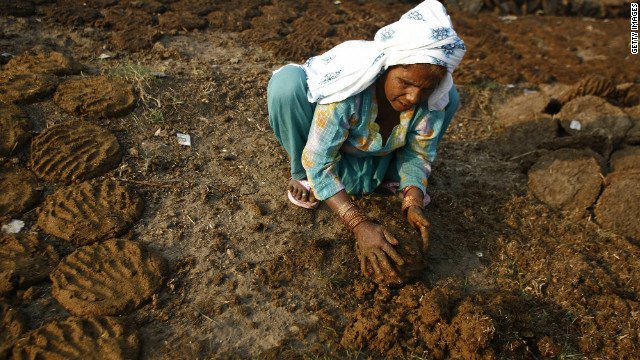
Getting back to cow dung, yes, the miracle and magic of cow dung. You see, bull dung and cow dung are loaded with the B12 bacteria. So if we use this natural and most powerful manure to fertilize our fruits and vegetable and actually play with the soil they inhabit, we will get more than enough B12 inside our bodies. In fact, Indian villagers literally play with cow dung, forming them into “cow patties” that are then used for cooking or taking advantage of the anti-bacterial properties of cow dung by mixing it with clay and covering the walls and floors of their houses, as a means to purify the area and also keep the house cool in the hot summer. In fact, cow dung has proven to be the best natural soil for our gardens. See these informative videos…


A cow eats grass and produces milk for her loved ones. A bull eats grass and has the muscle and power to till a field. Both of them excrete loads of B12 fertilizer that man can then use to make the best organically grown, non-GMO fruits, vegetables, and grains. They serve us and we serve them by keeping them happy and healthy. That is how God and nature intended it. But for some vegans, such practices would mean acknowledging the reality that living around farm animals is essential for good health and that is hard to do if you don’t acknowledge the natural symbiosis of man and farm animals. We need them just as much as they need us.

So that is my big problem with the “hard-core” vegan idealogy, and so I choose not to be that kind of vegan but believe that in order for me to live a healthy and natural life, I have to accept that farm animals must be part of my livelihood and the most natural and non-violent way to do that is to either live on a farm with protected farm animals, which I currently do with my wife in the Andes Mountains at Juliana’s Animal Sanctuary or regularly visit an animal sanctuary to obtain cow manure as a fertilizer to grow your own fruits and vegetables enriched with vitamin B-12.

I am a “vegan,” but not in the fanatical and impractical sense, but more so in adhering to the essential truth of the ideology, namely, non-violence and respect for all animals.

Living with animals is perfectly in line with the ahimsa principles of veganism. But if you’re close-minded, you won’t bring yourself to accept such a possibility and propose that all animals should be running wild. So my feeling is that veganism in the strictest use of the term is flawed and cow dung is the stain on the “white sheet” of this otherwise pure and caring ideology.

Getting B12 the Natural way while also improving your golf swing

Ahimsa dairy

Sadly, the so-called “ahimsa dairy” standards being promoted today are not as sattvic (pure) as they make out. To read more on the so-called “ahimsa dairy” see: Is Ahimsa Dairy Really Non-Violent? 

Because of the controversy surrounding the dairy industry my charity, Food for Life Global does NOT support food distribution containing any animal ingredients, including milk and ghee.

Even in India, the “land of the cow,” gross abuse of cows is taking place and commercial milk is now a contaminated cocktail containing detergent, hydrogen peroxide, urea, and contaminated water.

To read more on the so-called “ahimsa dairy” see: Is Ahimsa Dairy Really Non-Violent?

Other sources of B12

Certain makers of kombucha cultured tea, list vitamin B12 as naturally present in their product and one brand purports to contain 20% of the daily value of B12 in a single bottle, making kombucha a potential “high” food source of B12. Because kombucha is produced by a symbiosis between yeast and bacteria, the possibility that kombucha contains B12 does not contradict current knowledge, but no scientific studies have yet been published confirming the fact, nor whether the B12 in kombucha is the biologically active B12.

Although these non-animal products may have some b12, according to the vast majority of research in this field, the ONLY reliable source of b12 is dirt and that is why we have to live closer to nature.

Studies that support the need for b12 far outweigh those that say we don’t need it, including those from PCRM.

We are better off when we live closer to nature, and that means living with farm animals like cows. That does not mean you have to drink their milk. The artificial separation of humans and cows is what I believe is a big flaw in any diet or lifestyle ideology, but particularly noticeable in the vegan diet.

I believe it is time to redefine what it means to be a “vegan” and retire the old fanatical, ideologically inconsistent and unhealthy definition of veganism.

B12 Information

Resources on the link between B12 and cow manure

Also read: Antidepressant Microbes In Soil: How Dirt Makes You Happy

[1] Enrichment of some B-vitamins in plants with application of organic fertilizers. http://link.springer.com/article/10.1007%2FBF00007957

FAQs

Q: What is vitamin B12, and why is it important?
A: Vitamin B12 is crucial for brain and nervous system health, as well as blood formation. It plays a key role in DNA synthesis and energy production.
Q: How can vegans ensure adequate B12 intake?
A: Vegans can obtain B12 through fortified foods, supplements, or by living close to farm animals. This proximity allows for natural sources of B12 through soil and manure.
Q: What are the symptoms of B12 deficiency?
A: Symptoms can include fatigue, memory issues, and even severe conditions like psychosis. Early detection and intervention are vital to prevent irreversible damage.
Food Yogi on the Healthy You TV show

Food Yogi on the Healthy You TV show

DSC_0487-600
Valerie Samuell, host of Healthy You TV, with the Food Yogi, Paul Rodney Turner

April 9, 2014, VA — International director of Food for Life Global and food yogi, Paul Rodney Turner made a special guest appearance on the Healthy You TV show alongside host Valerie Samuell.

Turner shared spiritual wisdom he had learned as a monk while making spicy potato parathas, mango/goji chutney and a raw vegan peppermint, chocolate chip ice cream!

“Food is the great uniter and the more we can appreciate this lovely gift of Mother Nature, by eating as much food as we can in its natural state, the more we will feel this close connection to nature. However, it is always important to consider time, place and circumstance when deciding on the right diet,” he explains.

“What is right for you, may not be right for me. In other words, we have to first think about our body constitution. Whereas I may have a good percentage of the “fire” element in my body, you may not, and so more “fire” foods would serve you well. Moreover, we also have to consider the time of day and time of year.

“My approach to diet is simple, but it does require a bit of contemplation. My teacher told me that spiritual life begins with the tongue, so I believe that rather than allow the tongue to control what we eat, we need to master the tongue and allow our body to decide what food is right for us. This requires becoming more aware of the five basic elements that make up everything we experience in this world: earth, water, fire, are, and ether and how they express themselves through different foods, personality types, activities, and even music, etc. Doing so will help us to become more aware of their presence in our body. Once we are, choosing the right combination of foods that are just right for our particular constitution, time and place becomes much easier. I am trying to simplify what the great Ayurvedic and Alchemist have taught for centuries and incorporate these basic principles into a modern lifestyle.

[embedplusvideo height=”450″ width=”590″ editlink=”http://bit.ly/1edCuty” standard=”http://www.youtube.com/v/lEfasid7BnQ?fs=1&vq=hd720″ vars=”ytid=lEfasid7BnQ&width=590&height=450&start=&stop=&rs=w&hd=1&autoplay=0&react=1&chapters=&notes=” id=”ep2619″ /]

“Today I am making potato paratha’s, so here we have the grounding energy of wheat and potato, coupled with the fire energy of chillies in the mango chutney, and because we are still just getting over a chilly winter, but love ice cream, I am making a non-dairy ice cream so that we won’t have issues with mucus build up.”

Turner also talked about his work with Food for Life and how the focus of the charity is not feeding the hungry, but rather uniting the world through pure food. “With that approach, we directly address the cause of world hunger — disunity.”

The full show is currently in production and will air on FPA Channel 10 in June as a 30 minute episode of Healthy You (Formerly: Healthy Food Happy You) and a full version broadcasted on Youtube.

The food yogi is holding Food Yoga retreats around the world, with two scheduled this year in Colombia June 20-26 and another 6 day retreat in Brazil in September at the fabulous Gour Vrindavan Eco Retreat (below).

To book appearances or private consultations, visit the FOOD YOGI SITE

FAQS

Q: What is the philosophy behind Food Yoga?
A: Food Yoga combines spiritual principles with mindful eating, emphasizing the connection between food and nature. It encourages awareness of personal dietary needs based on body constitution.
Q: How does Paul Rodney Turner approach food preparation?
A: Turner integrates spiritual wisdom into cooking, focusing on the energies of ingredients. For instance, he balances grounding foods with vibrant flavors to create nourishing meals.
Q: What are the goals of Food for Life Global?
A: Food for Life Global aims to unite people through pure food rather than just feeding the hungry. Their mission addresses the root causes of disunity and world hunger.
FOODIE FRIDAY features the Food Yogi

FOODIE FRIDAY features the Food Yogi

FOODIE_Friday

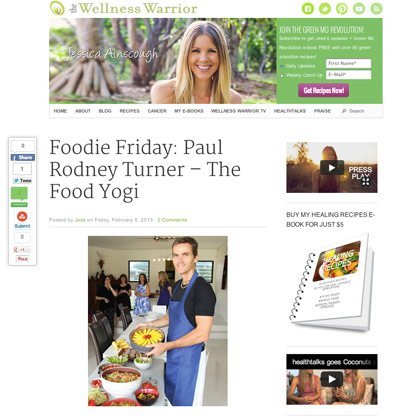
Wellness Warrior, Jess Ainscough interviews the Food Yogi in her latest edition of Foodie Friday.

The full article is here:

Paul Rodney Turner, the Food Yogi, is the international director of Food for Life and the founder of Food for Life Global, the world headquarters for the charity. Food for Life is the largest plant-based food relief in the world with projects in over 50 countries that serves up to 2 million meals daily. Paul is also the author of FOOD YOGA – Nourishing the Body, Mind & Soul.

Multi-passionate Paul loves to write books and poetry, invent products, design websites, and logos, meditate, garden, teach numerology, create geometric signatures of birthdays and names, teach raw food prep, do headstands, and is always trying to learn something new.

Meet Paul …

What was the catalyst that turned you into a healthy foodie?

I have been into healthy food since I was a teenager. I was influenced by a friend of the family that was a fitness fanatic. He could do 50 push ups on one arm – I wanted to be like him. Later, when I became a monk at the age of 19 my fitness priorities changed, but I was still very much interested in keeping my body healthy, as I now saw the body as a temple.

What are your non-negotiables when it comes to your diet?

I will never eat meat, fish or eggs or any food that has caused suffering to animals.

Why do you eat the way you eat?

I firmly believe that our body is a temple and the more we respect it by keeping it clean and healthy the more effective it can help us raise our consciousness.

If you were trying to convert someone to your dietary philosophy, what would you make for them?

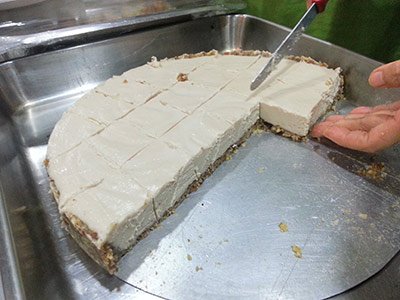
A raw vegan cheesecake

How do you stay healthy while traveling?

Everyday without fail I drink 1.5 litres of fresh water first thing upon awakening. I then do meditation, exercise and yoga for 1.5 hours. If I can’t do that I at least make sure to spend time in nature and breathe fresh air.

What are your go-to meals and snacks when you are super busy?

I love Turkish figs, raw almonds and apples.

Juices or smoothies: Which do you prefer? What’s your favourite combination?

I prefer smoothies because you can pack more into them. They are more efficient for the money and time spent. My favourite smoothie is the Coco Chai Shake. I have a few variations of this recipe, but here is one:

COCO CHAI

1 fresh baby coconut (all the water and “meat”)
½ banana
4 medjool dates
2 tbsp. agave nectar or maple syrup
1 tsp. chai spices
1 tsp. freshly grated ginger

What’s the biggest nutrition misconception you always have to clear up for people?

Vegans do not get enough protein and are therefore are not strong or healthy. I am stronger than most of my peers who are younger and who eat meat.

If you could prepare a meal for anyone (dead or alive) who would it be and what would you make?

John Lennon. I would make him nori rolls with my special sunflower seed pate inside; a kale go-go salad, raw vegan cheesecake and a pot of green tea.

What does being a Wellness Warrior mean to you?

Anyone who walks the path of love and light is a wellness warrior. We live in a world where corporate greed has taken a stranglehold of common sense, resulting in unhealthy and overweight bodies, low self-esteem and a general sense of hopelessness. A Wellness Warrior is someone who is willing to fight for a world where every person is living to their full potential.

A Recipe From Paul

Lemon White Chocolate Raw Vegan Passionfruit “Cheese” Cake

Lemon White Chocolate Cheesecake (Raw and Vegan)


What you’ll need:

2 cups pecans
1/2 cup sunflower seeds
1 cup chopped Medjool dates
1/2 cup ginger, grated
1/2 tspn cardamon powder
1 cup coconut flakes
1 pinch sea salt
2 cups cashew nuts (soaked and drained)
2 cups fresh green coconut flesh (no water)
1 whole lemon (remove peel)
1/2 cup cacao butter (melted)
1 medium-size avocado
4 tbs coconut oil
1 cup agave nectar (clear) (or maple syrup)
3 large passionfruit
3 tbs coconut sugar
1 pinch saffron threads
1/2 tspn carageenan or guar gum
1 banana (sliced)


What to do:

Crust

Process Pecans, sunflower seeds, ginger, cardamon powder, dried coconut and salt until it creates a crumbed mix. Add dates through the shoot until the mixture starts to hold together like a dough. Do not over process. Press into a springform pan and place in fridge.

Vegan “Cheese” cake filling

Process cashew nuts, coconut flesh, lemon, agave nectar, melted cacao butter, avocado, and coconut oil until very smooth. Using the spatula to move the contents around the bowl. Continue processing for around 10 minutes until the mixture is smooth.
Pour into crust base
Allow to set in fridge for 6 hours
Remove and then cover the top with slices of banana.

Topping

In a pot, add passionfruit, sugar, saffron threads and thickener. Warm on stove while constantly whisking. Then cool down by pouring back and forth in another pot. Once it looks a little thick, gently pour over the top of banana slices.
Place back in fridge. It will be perfect to eat in 2 hours.

Positive affirmation for the day: I am making a difference.