Category: Articles on Food Yoga

The Fire Element: from spark to service

The Fire Element: from spark to service

When I teach Food Yoga, I often say: fire is the transformer. It’s the heat that turns raw into tender, intention into action, and an ordinary kitchen into a tiny temple. In the Vedic map of the self, our gross body is made of five elements—earth, water, fire, air, and ether—and the subtle and spiritual layers ride on top of that foundation. 

What fire does in you

Fire shows up as digestion, metabolism, courage, and the will to follow through. In practical terms, if your inner fire is strong, you usually digest well and can handle a raw salad at midday when the sun is high; if your fire is low—especially in the evening—you’ll do better with a spicy, hot soup that supports digestion. Common sense and your body’s feedback are the guides. 

Ayurveda also observes that each food carries an elemental “signature.” People heavy in the earth element (steady but sometimes sluggish) benefit from more fire and air foods to mobilize energy. The art is balancing the four elements on the plate to spark positive change.   

A small devotional detail from my monastic days: in traditional Indian cuisine we ate with the right hand—the hand of fire—because touch awakens digestion and presence. It’s a simple way to invite warmth and awareness into a meal. 

Feeding your inner flame (without burning out)

  • Choose fire-forward plants. In my Sacred Foods list, herbs like coriander and fennel carry a pronounced fire reaction; black cumin is also rated as fire. Sprinkle, brew, or toast them to gently kindle the system.     

  • Time your raw. Midday raw works best when your constitution already has good fire; evenings tend to favor cooked, warming meals. 

  • Balance passion. If your temperament runs hot—quick to react—cool it with water-element foods and a calmer soundscape while you cook and eat. 

The spiritual meaning of fire

There’s a reason every tradition gathers around a flame. When we offer our work in love, ordinary action takes on the quality of fire—it’s purified and becomes service. I’ve described it like placing a cold iron rod into a blazing fire: the rod takes on the fire’s heat and light. In the same way, dedicated action takes on a higher vibration. 

The Gītā’s promise is wonderfully simple: “If one offers Me with love and devotion a leaf, a flower, fruit, or water, I will accept it.” Cooking, like any act, becomes sacred when it’s an offering, not an ego project. 

A 7-minute Fire Ritual (kitchen edition)

  1. Light & breath. Before you cook, pause for three slow breaths and light a small candle—remembering the transformer you’re invoking.

  2. Warm the pot with love. Toast a pinch of coriander or fennel to wake their fragrance, then build your meal around grounding grains and fresh vegetables.   

  3. Offer. When the food is ready, close your eyes for a moment and silently offer the meal. Let intention be the heat that finishes the dish. 

When the fire is too low—or too high

  • Too low: sluggish, cold, unmotivated. Favor fire foods and warm, spiced soups; eat earlier; keep phones and heavy media out of the kitchen so your attention can act like a steady flame.   

  • Too high: irritable, overheated, driven. Add water-element foods, finish with soothing herbal tea, and take your meals in a calm, uncluttered space. 


Fire is the quiet courage to show up and the bright mercy that transforms whatever it touches. Tend it wisely—on your plate, in your breath, and in your service—and let it turn everyday life into a steady offering.


Grounding: coming back to Earth (literally and spiritually)

Grounding: coming back to Earth (literally and spiritually)

I learned to get out of my head the same place I learned to cook for thousands—by touching what’s real. Bare feet on the earth. Hands in honest work. A quiet prayer. Grounding is how I return from the noise to the now—body steady, mind clear, soul awake.

Why grounding matters today

Modern life lifts us off the soil—towers, screens, and schedules—and the data isn’t kind: high-rise living and digital isolation correlate with more stress, weaker social ties, and tougher child-rearing environments.   

Our ancestors walked barefoot for a reason. When skin meets soil, studies show healthier blood flow (less red-cell clumping) and potential regulation of the endocrine and nervous systems.  Grounding also helps discharge some of the “dirty electricity” that saturates our lives. The earth is rich with electrons that help bring the body’s currents back into balance. 

What grounding actually grounds

Vedic wisdom says we live in three concentric layers: a gross body of the five elements (earth, water, fire, air, ether); a subtle body (mind, intelligence, false ego); and the spiritual self—the witness and driver. Grounding steadies the first two so the third can shine through. 

Simple ways to ground (that I use)

  • Barefoot minutes. Stand on grass or soil, or lie on the ground for a few minutes—especially at night—for stress relief and better sleep. 

  • Sacred connection. Visit a protected cow and give a gentle hug; in Vedic culture the cow embodies the Earth, and the practice is deeply calming. (No cow nearby? Use a well-installed grounding mat.)   

  • Eat the Earth element. Build meals that anchor: amaranth (root-chakra steadiness) and barley grass (a “psychological grounding agent”) are two of my favorites.   

  • Offer the moment. Act fully, release the outcome—yukta-vairāgya. It’s how I turn ordinary acts into spiritual practice. 

A 3-minute grounding reset

  1. Feet + breath. Plant your feet hip-width on bare earth. Inhale four counts, exhale six, for ten rounds.

  2. Name the senses. Notice five things you feel/see/hear/smell—let attention drop from mind to body.

  3. Offer & remember. Whisper a simple prayer of gratitude and dedicate the next thing you do. Presence becomes prayer.

Closing

We’re souls wearing bodies, traveling through a noisy age. Touching the ground—through feet, food, and offering—reminds us where strength really lives: in the elements that built us and the Source that animates us. Stay close to Earth, and you’ll feel close to yourself. 

Get a copy of FOOD YOGA

FAQs

Q: What are the benefits of grounding?

A: Grounding offers numerous benefits, including reduced stress levels and improved emotional well-being. It reconnects individuals with nature, enhancing physical health through better blood flow and balance.

Q: How can I practice grounding at home?

A: You can practice grounding at home by standing or sitting barefoot on natural surfaces like grass or soil. Incorporating grounding mats or natural materials in your living space also helps.

Q: Is grounding supported by scientific research?

A: Yes, grounding is supported by various studies showing its positive effects on physical health, such as improved circulation and reduced inflammation. These findings highlight its relevance in modern wellness practices.


Water: the quiet teacher of mind, body, and soul

Water: the quiet teacher of mind, body, and soul

Water: the quiet teacher of mind, body, and soul

When I cook for others, I start by pouring a glass of water and saying a simple prayer. Water listens. It carries intention. And in a world that often shouts, water teaches us quietly—how to cleanse the body, settle the mind, and reconnect with the Source.

Body: hydration as humble medicine

Drinking more water may seem basic, but this simple act holds significant importance for our health. Adequate hydration alleviates constipation, reduces kidney stone recurrence by diluting urinary minerals, and aids in weight management by enhancing satiety and slightly boosting energy expenditure, particularly when consumed before meals.

Water also shows up inside our food. In Food Yoga, we balance elemental forces in a meal—earth, water, fire, air—so the plate works on the body, mood, and spirit at once. For passionate or aggressive constitutions, foods rich in the water element soothe and cool. 

Mind: what surrounds your water surrounds your thoughts

If our bodies are mostly water and water is easily influenced, then the vibrations around us—music, films, environments, company—matter. As I’ve written, water can carry energy that heals when it’s pristine or harms when it’s polluted; the late Dr. Masaru Emoto popularized the idea that water “communicates,” reflecting the energies it encounters. That means the soundscape and mood you bathe your cells in can shape your physical, mental, and spiritual health. 

In short: be mindful of what you let your water hear.

Soul: offering transforms the ordinary

The Bhagavad-gītā assures us that if we offer even “a leaf, a flower, fruit, or water with love and devotion,” it is accepted—not because of the item’s size, but because of the love behind it. When we dedicate an act to the Divine, the ordinary becomes prayerful action. 

I often explain this with a simple image: muddy puddle water is unfit to drink, but under the sun’s heat it evaporates, leaving impurities behind, rises, and returns as rain to nourish life. Offering our work and resources has the same purifying arc. 

Stewardship: protecting the waters that protect us

Water is life—and our choices ripple outward. Industrial animal agriculture consumes vast quantities of freshwater, and runoff from factory farms is among the largest threats to river and stream quality in the U.S. Choosing plant-based compassion is also water stewardship. 

A 5-minute “Water Sādhanā”

Try this today; it’s simple and powerful.

  1. Clean vessel, clean intention.

    Wash your cup or bottle mindfully. In Food Yoga, cleanliness is the gateway to spiritualization—our loving intention shows up in pure handling and presentation. 

  2. Charge with sound.

    Hold the water, breathe, and speak words of gratitude, or softly chant the holy names. Uplifting sound is the tongue’s highest use and elevates consciousness. 

  3. Offer and sip.

    Silently offer the water to the Divine and to all beings, then drink with awareness. A tiny act, made sacred by love, is enough. 

  4. Hydrate with wisdom.

    Keep sipping through the day; if weight management is your goal, drink water before meals rather than during. 

Closing: learn from water

The sages note that water is the principal element linking both gross and subtle forms of creation. No wonder it touches every layer of our lives. Treat water as teacher: keep it clean, keep it grateful, and let it carry your best intentions into every cell. 

One glass at a time, we can heal the body, calm the mind, and remember the soul.

Get your copy of FOOD YOGA

FAQs

Q: How does water influence our health?

A: Water is essential for hydration, aiding digestion, and overall bodily functions. It also affects our mental clarity and emotional well-being.

Q: What is Food Yoga and how is it related to water?

A: Food Yoga emphasizes balancing elemental forces in meals, including water, to enhance physical and spiritual health.

Q: How can I practice gratitude with water?

A: You can practice gratitude by mindfully washing your drinking vessel, holding the water with intention, and offering it before consumption.


Food Yoga: turning every meal into a prayer (and a quiet revolution)

Food Yoga: turning every meal into a prayer (and a quiet revolution)

Let me take you back to a smoky refugee camp kitchen where we had more hungry faces than pots of rice. I remember the knot in my chest loosening only when I surrendered the outcome and focused on service—cooking as worship, offering what we had with love, and trusting the rest to the Divine. That inner shift is the heartbeat of Food Yoga: show up, cook with care, offer with love, and let grace do the heavy lifting. 

What is Food Yoga?

Food Yoga is spiritual hospitality in action—using clean, plant-based meals to nourish body, mind, and soul, and to remind us we’re one family. In my workshops I began calling the lifestyle a “Prasadarian” path: choose food that’s free from harm and negativity, prepare it with loving intention, and offer it before eating. Prasadam literally means “mercy”—food cooked and offered in love, then shared. 

At its core is a simple social truth from the Vedic lens: every sentient being shares the same spiritual quality. We’re seemingly divided by species and labels, but in essence we’re interdependent and inseparable. Hospitality becomes a bridge—not a brand. 

Why plants, prayer, and intention?

Three reasons:

  1. It heals the planet and the body. A plant-based diet lightens our footprint and is consistently linked with better health outcomes. When we choose beans over beef, we choose breathable air, cleaner water, and a calmer heart.   

  2. It heals our consciousness. Think of prayer as medicine and sanctified food as the healing diet. We’re not just filling stomachs—we’re tuning vibration. Intention matters. Clean kitchens and clean hearts are the recipe.   

  3. It includes everyone. “No one should miss out on the experience of prasadam.” Feed widely, without discrimination—snacks in offices, meals at festivals, plates at shelters. Food Yoga is a social change movement disguised as a feast. 

The element behind every bite

Ayurveda sees food as alchemy. Each ingredient carries an elemental signature—earth, water, fire, and air—that interacts with your unique constitution and the time and place you eat. Balance those elements and the meal works on your body, your mood, and your spirit all at once.   

That’s why not every meal should be raw, and not every person needs the same plate. Cold evening? Choose a warming soup (fire). Feeling heavy and stuck? Add light, expansive foods (air). Cooking for a fiery personality? Soften the menu with water-element foods. This is common-sense consciousness in the kitchen.   

Vibration is real (your water knows)

If our bodies are mostly water and water responds to the energies around it, then the sounds, moods, and media we bathe our meals in change us. Cook and eat in uplifting vibration and the food carries that song. It’s practical mysticism: what surrounds the pot surrounds your heart. 

The Food Yoga ritual (3 steps you can do today)

1) Center & clean.

Begin with a breath and a tidy space. Excellence isn’t fancy—it’s pure. Clean hands, clean counters, clean mind. Let your intention be service. 

2) Cook for someone you love (including you).

Design an alchemically active plate:

  • Earth (roots/grains) to ground.

  • Water (soups/steamed veggies) to soothe.

  • Fire (spices like ginger or cinnamon) to awaken.

  • Air (greens/sprouts) to lift.

    As you stir, remember why you’re cooking. Love is the secret spice.   

3) Offer & share.

Before serving, pause. Offer the meal in gratitude—silently or with a simple prayer—and then share it. When we dedicate our action, the ordinary becomes sacred; cooking turns from ego-task to soul-practice. 

“But I’m just making dinner…”

Perfect. Food Yoga isn’t about saffron robes; it’s about sincerity. The mother who ladles stew with a blessing is doing Food Yoga. The student who shares a hummus wrap with a lonely classmate is doing Food Yoga. The volunteer who smiles as they serve a plant-based plate in a shelter is doing Food Yoga. The kitchen is your temple; the ladle, your bell of mindfulness. 

A gentle challenge

This week, try one Prasadarian meal: plant-based, cooked cleanly, balanced by elements, offered with love, and shared with someone—human or animal friend. Notice how your mind feels afterward. Then repeat. Meal after meal, we re-member who we are: souls in a human kitchen, practicing unity one plate at a time.   

When we feed others with this spirit, we don’t just fill bellies; we elevate the room. That’s Food Yoga: a quiet revolution that begins where you stand—apron on, heart open.

GET YOUR COPY

OR physical copy at foodyoga.org

FAQs

Q: What is the concept behind Food Yoga?

A: Food Yoga combines cooking and spirituality, using plant-based meals to nourish the body, mind, and soul. It emphasizes intention, love, and community while preparing and sharing food.

Q: How can I practice Food Yoga at home?

A: You can start by cleaning your cooking space, preparing a meal with love, and sharing it with someone. Focus on the intention behind your cooking and how it connects you to others.

Q: Why is a plant-based diet important in Food Yoga?

A: A plant-based diet promotes better health and environmental sustainability. It reduces our ecological footprint while providing nourishing meals that can be shared widely, embodying the spirit of community and inclusiveness.


How I remained celibate for 14 Years and the Solution to a Peaceful World

How I remained celibate for 14 Years and the Solution to a Peaceful World

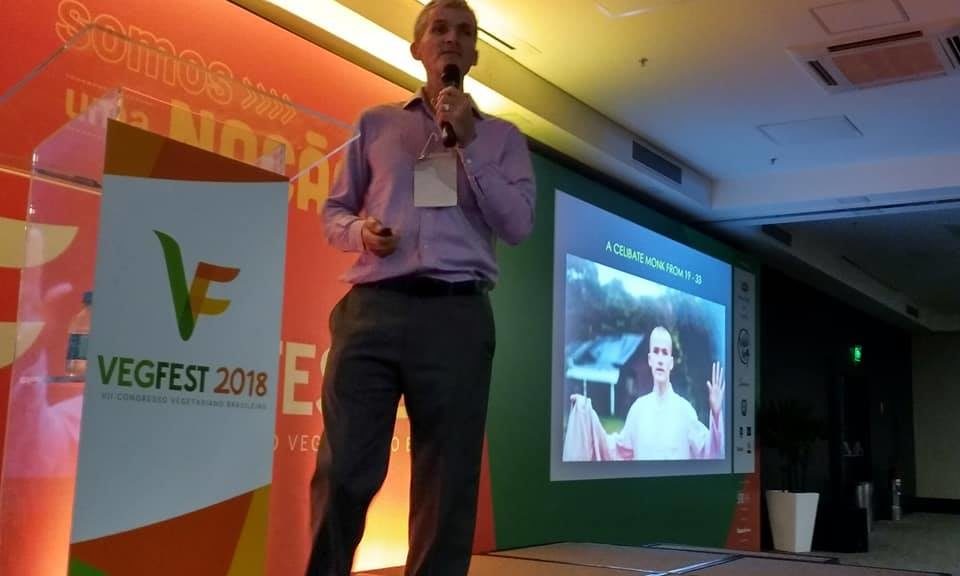
I’ve given hundreds of public lectures about my humanitarian work over the years in over 60 countries. Usually, I focus on the social impact our volunteers have made, including the enormous amount of meals served by these selfless souls. The statistics never fail to impress but at the Vegfest in Brazil in 2018 I decided to focus on the why rather than the what.

I boldly broached the topic with the somewhat sensational title: A former monk shares an inside secret. Right out of the gate I talked about the fact that during the prime years of my life 19 – 33 I lived the life of a celibate monk, this includes sleeping on the floor without a pillow, taking cool showers; only eating at regulated times of the day, and of course, abstaining from sex and all the typical hedonistic things young men do. How did I succeed? The shocking answer is that I learned how to control the urges of the tongue.

My spiritual teacher often told us, “Spiritual life begins with the tongue.” I later clarified that statement by asserting that

“Evolution of consciousness begins when one masters the tongue.”

According to the yoga tradition, the tongue has two functions: tasting and vibrating, so what you speak and what you eat dramatically impacts your level of awareness.

I go into great detail in my book, FOOD YOGA to prove this point, citing scientific research as well as references from the yogic tradition and of course my personal example speaks volumes. Even if you don’t accept my references, my experience is my experience and I know for a fact that through controlling the tongue it enabled me to be successful in controlling the sex urge and living a peaceful and stress-free life.

But getting back to the why does Food for Life Global only serve plant-based meals cooked with loving intention? It is because when food is prepared with a loving consciousness it has incredible power to transform the consciousness of those that eat it. And in this way, not only is Food for Life Global feeding stomachs, it is directly impacting the mood and awareness of our recipients to bring about a more peaceful and loving world.

The bottom line is, hunger is not a result of a lack of food. Hunger is directly related to the fact that the bulk of humanity has a selfish and divisive consciousness and thus the resources of the world are not equitably shared.

That day that every living thing is honored equally as an integral participant in the play of life, wherein all things are valued for their unique contribution and viewed as essential and not disposable, then and then only can we have peace and prosperity for all and social anomalies like hunger will cease to exist.

Enhance the introduction by briefly mentioning personal motivations for celibacy to create a more relatable hook for readers.

Include a specific anecdote or personal experience related to mastering the tongue that illustrates its impact on your celibacy journey, making the concept more tangible.

Add a concluding paragraph summarizing the key insights and encouraging readers to reflect on their own lives and choices regarding food and consciousness.

What does it mean to control the urges of the tongue?

Controlling the urges of the tongue involves being mindful of what we eat and say, as both significantly influence our consciousness and overall well-being.

How can plant-based meals impact consciousness?

Plant-based meals prepared with love can elevate the mood and awareness of those who consume them, fostering a more peaceful and compassionate society.

What is the connection between celibacy and a peaceful world?

Celibacy can lead to greater self-control and awareness, allowing individuals to contribute positively to society and work towards creating a more peaceful and loving world.

My personal journey into celibacy was fueled not just by a desire for spiritual growth, but also by the need to cultivate deeper relationships with myself and the world around me. The pressures of societal expectations often cloud our judgment and distract us from what truly matters. By stepping away from the pursuit of romantic entanglements, I found a unique opportunity to explore my passions and dedicate my energy to meaningful humanitarian work. The decision was not merely about abstaining from sex; it was about embracing a life of purpose and connection, free from the distractions that often accompany intimate relationships.

One pivotal moment in my journey came during a period of intense craving. I vividly remember attending a gathering filled with laughter, delicious food, and engaging conversations. Amidst the joyous chaos, I felt the familiar tug of desire. In that moment, I consciously chose to focus on the conversations around me instead of indulging in my cravings. I began to practice mindful eating and speaking, taking a moment to savor each bite and engage fully with those around me. This experience reinforced my belief that mastering the tongue—both in what I consume and how I communicate—was essential for maintaining my celibacy and nurturing my inner peace.

Ultimately, my journey has shown me that the path to a peaceful world begins with individual choices. By reflecting on how we nourish ourselves and interact with others, we can create ripples of change that extend far beyond our own lives. Each meal, each word, and each conscious decision contributes to a larger tapestry of love and compassion. I encourage readers to consider their own habits and reflect on how they can cultivate a life that honors not just their own well-being, but also the well-being of all living beings. Together, we can work towards a world where peace and prosperity are not just ideals, but realities.

Frequently Asked Questions

What does it mean to control the urges of the tongue?

Controlling the urges of the tongue involves a mindful approach to both our dietary choices and our spoken words. It means being aware of what we eat and ensuring that our food choices promote health and well-being, while also being conscious of how our words affect ourselves and others. This control can lead to greater self-discipline, heightened awareness, and ultimately, a more fulfilling and peaceful life. By mastering the urges of the tongue, we can cultivate a lifestyle that aligns with our spiritual goals and contributes positively to the world around us.

How can plant-based meals impact consciousness?

Plant-based meals, especially those prepared with love and intention, can significantly elevate the mood and consciousness of individuals. When food is made with care, it carries a transformative energy that nourishes not just the body, but also the mind and spirit. Consuming such meals fosters a sense of community and compassion, as they often reflect values of kindness and sustainability. This mindful approach to eating can shift one’s perspective, encouraging a more peaceful and harmonious existence, both personally and collectively.

What is the connection between celibacy and a peaceful world?

Celibacy, while often seen as a personal choice, can have broader implications for societal peace. By practicing celibacy, individuals can cultivate greater self-control, focus, and awareness, which can enhance their ability to contribute positively to society. This self-discipline allows for a deeper understanding of one’s own desires and motivations, leading to more compassionate interactions with others. When many individuals choose paths of self-restraint and mindfulness, it creates a ripple effect, promoting a culture of peace, respect, and love that can transform communities and, ultimately, the world.


Take Our Survey and WIN a FREE SCHOLARSHIP

Take Our Survey and WIN a FREE SCHOLARSHIP

I am offering a FREE scholarship at the Food Yoga Academy.

All you have to do is take a quick survey that you can complete in less than 2-minutes!

And that’s it. You will be in the running to get full access to the Food Yogi level 1 Certification course.

The introductory course provides comprehensive insights into food yoga, featuring numerous video lessons and engaging vegan recipe demonstrations. Participants who successfully complete the course will receive a printable certificate along with a digital badge for their online resume.

for food yoga and it includes many hours of video lessons and vegan recipe demonstrations. All students that complete the course will be awarded a printable certificate and a digital badge that they can proudly display on their online resume.

So don’t delay, do the survey now and be in the running.

HOW TO ENTER

Answer the following question in this short survey and you will be in the running to win a FREE scholarship at the Food Yoga Academy for the Level 1 Food Yogi Certification.

The survey should take no more than 2-minutes to complete. Don’t delay!

Create your own user feedback survey

We are excited to offer a FREE scholarship at the Food Yoga Academy, inviting you to participate and learn more about the transformative power of food yoga.

To enter, simply answer the survey question and submit your response within 2 minutes. This quick and easy process allows you to express your interest and be eligible for the scholarship. Don’t miss this opportunity to enhance your skills in food yoga!

Frequently Asked Questions

What is food yoga?

Food yoga combines the principles of yoga with a focus on nutrition and mindful eating. It promotes a holistic approach to wellness, encouraging participants to develop a deeper connection with food.

How long does the survey take?

The survey is designed to be quick and should take no more than 2 minutes to complete. This allows you to participate easily without a significant time commitment.

What will I receive if I win the scholarship?

Winners of the scholarship will gain full access to the Level 1 Food Yogi Certification course, including video lessons, recipe demonstrations, and a certificate upon completion.

You and I are Brilliant

You and I are Brilliant

“I used to be conceited once, but now I know I’m brilliant” – Rodney Turner

LOL, my dad (Rodney Turner) was a character, always the joker and always the one to say something outrageous; however, sometimes he spoke some gems. In all seriousness, the above statement taken literally is outrageous, pompous, and a little cheeky, but when we understand our true nature as souls, the statement gets some legs. You see, all of us, from the single-cell organism to biologically complex humans, are essentially souls having a physical experience, and what is the nature of the soul? It is as brilliant as the sun, and it “illuminates the entire body by consciousness,” says Krishna in the classic scripture known as the Bhagavad-gita.

My father may not have understood the spiritual significance of his comically motivated statement during his physical presence here on earth, but I’m sure he did when he had to leave his body at death.

Death is our greatest teacher, with old age a close second. Both of which provide clues to our true eternal nature as a soul. As we age, things start to break down or stop working the way they used to. As young men, we are motivated by sex, and our body responds accordingly.  But, as we get older, sex is not as motivational as it once was, and our aging bodies comply. The same can be said of our voracious appetites as teenagers. I remember well how much food I could easily digest in one sitting, whereas now at age 54 I have to be more mindful of how much my stomach can digest.

Wrinkles, reduced vision, hearing, and memory are all reminders (clues) that this body (temple) we call “home” is on borrowed time and at any time it can be taken away and we will be forced to evacuate and move to another physical shell. Unless of course, we are successful in raising our awareness to such a state that we are fully detached from this material world and purified of the ensnaring desires of lust, greed, and anger. Then, according to the Bhagavad-gita, we can transcend the bond of material nature and move into the higher spiritual frequencies.

The fact is, as souls, we are truly brilliant in all aspect, for just as a spark has the same quality as fire, we as a soul have the same qualities as the Creator, only in smaller quantity. It may take us many thousands of physical bodies to awaken to this truth but eventually, our ultimate success is assured. My dad, in all his quirkiness, was actually onto something and it is one of the fondest memories I have of him. He would often say this after potting a ball on the pool table and his natural confidence rubbed off on me, however, it was not until many years later when I decided to become a monk that his statement revealed its true worth.

Thanks, dad.

PS. In my latest book, SOUL POWER I go into great detail about our true nature as souls. Get your copy here.

Frequently Asked Questions

What does it mean to understand our true nature as souls?

Understanding our true nature as souls means recognizing that we are more than just our physical bodies; we are eternal beings with inherent brilliance and consciousness.

How can aging teach us about our spiritual nature?

Aging teaches us about our spiritual nature by reminding us of the impermanence of the physical body and prompting us to seek a deeper understanding of our eternal essence.

What insights does the Bhagavad-gita offer about the soul?

The Bhagavad-gita offers insights that the soul is eternal, brilliant, and fundamentally connected to the Creator, suggesting that our true nature transcends physical existence.

Q: How does aging influence our spiritual understanding?

A: Aging influences our spiritual understanding by highlighting the body’s impermanence, encouraging us to reflect on our eternal nature and seek deeper meaning.

Q: What role does death play in understanding the soul?

A: Death serves as a crucial teacher, prompting us to recognize the fleeting nature of life and the importance of our spiritual essence.

Q: How can we cultivate awareness of our soul’s brilliance?

A: We can cultivate awareness of our soul’s brilliance by engaging in practices that promote spiritual growth, such as meditation, self-reflection, and connecting with nature.

Food Yoga Level 2 open for enrollment

Food Yoga Level 2 open for enrollment

The Food Yoga Academy is now offering Food Yogi level 2 certification, however, students will have first completed level 1 to be eligible.
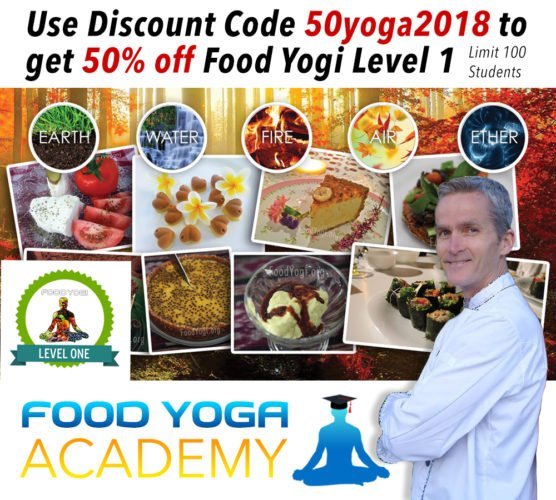


The Food Yogi Level 2 Certification delves deeper into the art and science of food yoga, offering comprehensive information, case studies, and insights that equip students with a robust understanding of the underlying science.

Upon completion, students will receive a PDF certificate suitable for display, along with a digital badge they can showcase on their online resume, website, and social media profiles.

Once students have completed both levels they are then eligible for Food Yoga Master training where they will be invited to spend a week with me in Colombia at Juliana’s Animal Sanctuary and retreat.

I have really enjoyed taking this course. It has been very interesting and has given me a lot of ideas for strategies I wish to incorporate into my daily life. – Gail Hollingsworth

I didn’t expect so much information on energy, physics, sacred geometry… and I absolutely loved it! Eating apples became a very different experience since then. Paul’s interview in the beginning of the course and Mathew Bates’ testimony at the end were incredible, and provided both a great introduction and a great conclusion to the entire course. – Ana

To learn more about the Food Yoga Academy visit www.foodyogaacademy.com


The Food Yoga Academy emphasizes practical application, encouraging students to integrate their learning into everyday life. This approach not only enhances personal well-being but also fosters a deeper connection with food and nature.

Frequently Asked Questions

Q: What prerequisites are needed for Level 2 certification?

A: Students must complete Level 1 certification to be eligible for Level 2. This ensures they have the foundational knowledge required to succeed in the more advanced topics covered in Level 2.

Q: What can I expect from the Level 2 course?

A: Level 2 offers a deeper exploration of food yoga, including case studies and advanced concepts. Students will gain practical insights that can significantly impact their approach to food and wellness.

Q: What opportunities arise after completing both levels?

A: After completing both levels, students can participate in Food Yoga Master training. This includes an exclusive week-long experience at Juliana’s Animal Sanctuary and retreat in Colombia, enhancing their learning and practice.

Food Yogi Certification Level 1 – Enrollment open

Food Yogi Certification Level 1 – Enrollment open

The Food Yoga Academy, the brainchild of International director of Food for Life, Paul Rodney Turner (aka Priyavrata das) has officially launched.

The Academy’s first course is Food Yogi Certification Level 1, where students can learn

the essentials of the food yoga lifestyle, teaching students how to enhance their lives through mindful eating and devotion.

Based on the teachings of his book, FOOD YOGA – Nourishing Body, Mind & Soul, students will learn the art and science of eating with consciousness and compassion to provide a framework to elevate the act of eating from the dry and mundane to a soul-satisfying experience.

In this introduction to Food Yoga, Turner lays out the 10 fundamental truths.

Students will explore the nuanced aspects of food and discover how to attain optimal health through the Food Yogi diet and lifestyle. This includes guidance on what and when to eat, water therapy, detoxification, and understanding the sacred geometry of whole foods.

The courses will also include raw vegan food demonstrations, including smoothies, pates and crackers, cheesecakes, and soups, etc.

Students will be tested at the end of the course to earn their certification.

WHAT IS FOOD YOGA?

[video_player type=”youtube” style=”1″ dimensions=”640×360″ width=”640″ height=”360″ align=”center” margin_top=”0″ margin_bottom=”20″ ipad_color=”black”]aHR0cHM6Ly95b3V0dS5iZS9KNFZ4TkhVeTNlcw==[/video_player]

“This Level 1 course gives the fundamentals of the prasadarian lifestyle,” says Turner. “However, in Level 2 we will dive deep into all the details of preparing food with love in order to nourish the mind and spirit.

His book food yoga was a direct response to the inspiration behind Food for Life, Srila Prabhupada who said that “Everyone should get a chance to take prasadam*.”

“I realized that we had to empower people with the knowledge of prasadam but in order to do that I had to build a framework for understanding. The book, therefore, takes the reader on a journey of first discovering how food and thoughts are energy and I present scientific proof to back these statements,” he explains.

The Food Yoga Certification Level 1 is available now for $97, however, a special limited launch discount is being offered to the first 100 students with the coupon code: 50yoga2018

[button_1 text=”ENROL%20NOW” text_size=”32″ text_color=”#000000″ text_bold=”Y” text_letter_spacing=”0″ subtext_panel=”N” text_shadow_panel=”Y” text_shadow_vertical=”1″ text_shadow_horizontal=”0″ text_shadow_color=”#ffff00″ text_shadow_blur=”0″ styling_width=”40″ styling_height=”30″ styling_border_color=”#000000″ styling_border_size=”1″ styling_border_radius=”6″ styling_border_opacity=”100″ styling_shine=”Y” styling_gradient_start_color=”#ffff00″ styling_gradient_end_color=”#ffa035″ drop_shadow_panel=”Y” drop_shadow_vertical=”1″ drop_shadow_horizontal=”0″ drop_shadow_blur=”1″ drop_shadow_spread=”0″ drop_shadow_color=”#000000″ drop_shadow_opacity=”50″ inset_shadow_panel=”Y” inset_shadow_vertical=”0″ inset_shadow_horizontal=”0″ inset_shadow_blur=”0″ inset_shadow_spread=”1″ inset_shadow_color=”#ffff00″ inset_shadow_opacity=”50″ align=”center” href=”http://www.FoodYogaAcademy.com”/]

To learn more, visit www.FoodYogaAcademy.com

* Prasadam: Pure plant-based food that has been offered to God with devotion.


Upon successful completion of the course, students will receive their certification, demonstrating their understanding of the principles of Food Yoga and their ability to apply these teachings in daily life. This certification opens pathways for further study and practice in this enriching lifestyle.

Frequently Asked Questions

Q: What is the Food Yogi Certification Level 1?

A: It is an introductory course where students learn the fundamentals of the food yoga lifestyle, focusing on conscious eating and devotion.

Q: How can I enroll in the Food Yogi Certification Level 1?

A: You can enroll through the Food Yoga Academy website, where the course is currently offered for $97, with a special discount available for early registrants.

Q: What topics are covered in the Food Yogi course?

A: The course covers the principles of food yoga, including nutrition, meal timing, water therapy, detoxification, and raw food preparation techniques.

Pre-register for the Food Yoga Academy and Get a 50% discount

Pre-register for the Food Yoga Academy and Get a 50% discount

[kad_youtube url=”https://youtu.be/J4VxNHUy3es” width=600 ]

For a limited time, I am excited to offer a special 50% discount code for individuals who pre-register for the Food Yoga Academy. This is a fantastic opportunity to join our program at a reduced rate.

Best of all, you won’t need to make any payment right now to secure this offer.

[button_3 text=”get-early-bird-access.png” align=”center” href=”https://foodyogi.org/food-yoga-academy-pre-registration/”/]

To take advantage of this offer, simply share your name and email to express your interest, and you will receive the discount code directly in your inbox.

Frequently Asked Questions

Q: How can I pre-register for the Food Yoga Academy?

A: You can pre-register by providing your name and email address. This will allow you to receive the 50% discount code and stay updated on the program.

Q: Is there a cost to pre-register?

A: No, pre-registration is completely free. You only need to express your interest by sharing your name and email.

Q: What is the duration of the discount offer?

A: The 50% discount is available for a limited time only. Make sure to register early to take advantage of this offer.